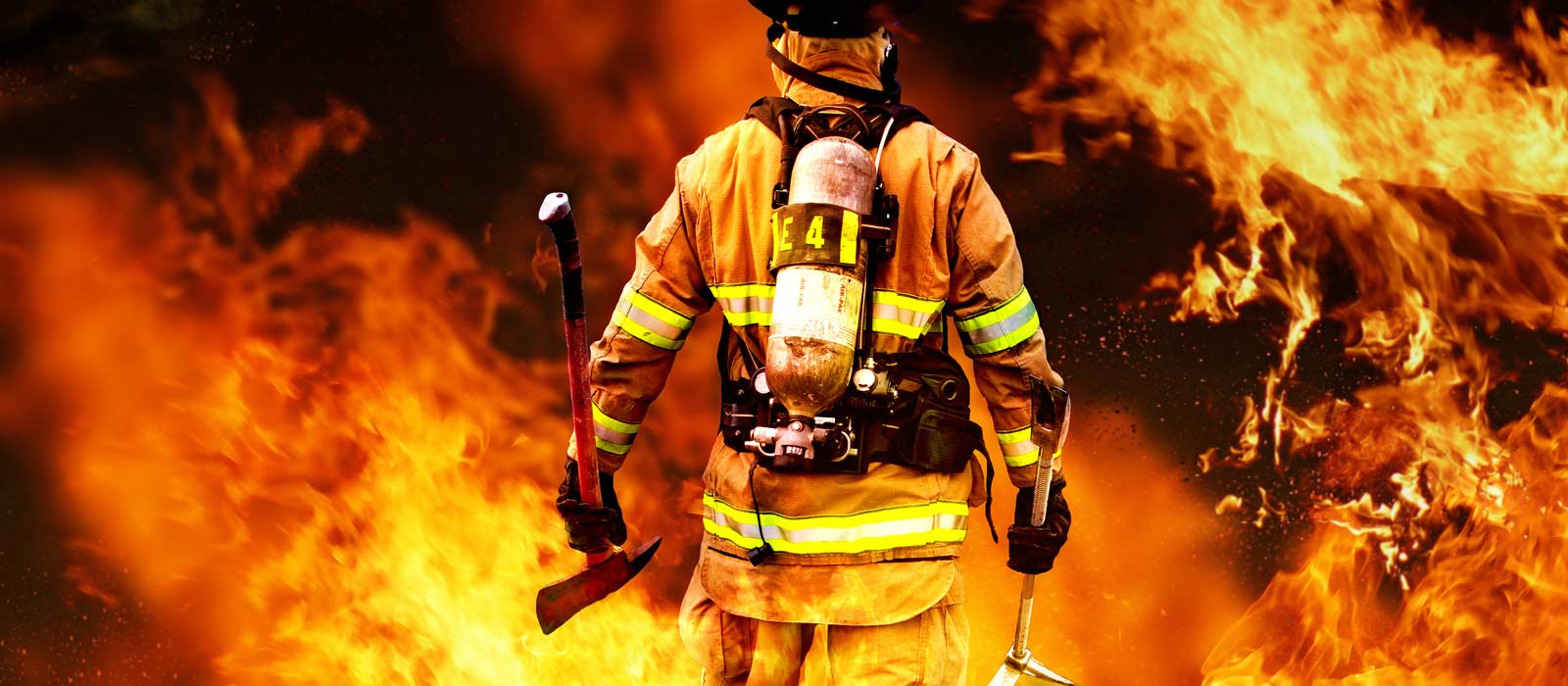
Diploma in Fire and Safety Management: A Path to a Safer Future
In today's rapidly evolving world, the importance of fire and safety management cannot be overstated. From industries dealing with hazardous materials to everyday work environments, ensuring the safety of personnel and assets is a paramount concern. This is where a Diploma in Fire and Safety Management comes into play. Offering specialized knowledge and skills, this diploma program equips individuals to handle and mitigate fire hazards, manage emergency situations, and implement effective safety protocols across different sectors.
What is Fire and Safety Management?
Fire and Safety Management involves the development and implementation of procedures, protocols, and systems designed to prevent accidents and minimize risks associated with fire hazards and workplace safety. This field covers a wide range of areas including risk assessment, fire prevention, emergency response planning, health and safety legislation, and environmental management.
Professionals in this field play a crucial role in ensuring that businesses and organizations comply with safety regulations, protecting both people and property from potential harm.
Why Choose a Diploma in Fire and Safety Management?
Opting for a diploma in fire and safety management provides many advantages. Here are a few reasons why this program is an attractive option for those interested in this field:
- Comprehensive Skillset: The diploma offers a structured curriculum that covers theoretical knowledge as well as practical skills. Students gain a deep understanding of fire prevention techniques, safety regulations, emergency preparedness, and health and safety management.
- In-Demand Career: Safety professionals are in high demand across industries, from manufacturing plants and construction sites to healthcare facilities and corporate offices. Fire safety regulations are stringent, and employers are looking for certified individuals who can ensure compliance and implement safety procedures effectively.
- Lucrative Job Prospects: With increasing awareness about workplace safety and fire hazards, professionals with expertise in fire and safety management are well-compensated. The demand for trained safety personnel is expected to grow as industries continue to prioritize safety and risk management.
- Global Opportunities: Safety standards are universally important, and the skills acquired through this diploma can be applied in various countries and industries worldwide. This makes the qualification highly versatile and opens up opportunities for international work.
- Personal Fulfillment: For those passionate about saving lives, preventing accidents, and ensuring the well-being of others, a career in fire and safety management offers personal satisfaction. Contributing to a safer world is a rewarding endeavor that brings about positive change.
Course Curriculum: What to Expect?
A Diploma in Fire and Safety Management typically spans a duration of 6 months to 1 year, depending on the institution and whether the program is pursued full-time or part-time. The curriculum includes both theoretical learning and practical experience. Some of the key modules you can expect to encounter in such a course include:
- Fire Safety Engineering: This module covers the principles of fire behavior, combustion processes, and fire protection systems. Students learn about fire detection, suppression systems, and how to design fire-safe structures.
- Occupational Health and Safety: The focus here is on managing health and safety in various work environments. Topics such as risk assessment, hazard identification, and safety management systems are covered.
- Industrial Safety Management: Students are introduced to industrial safety practices and learn how to manage safety in high-risk industries, such as manufacturing, construction, and chemical processing.
- Fire Risk Assessment and Management: This module trains students on how to assess fire risks and plan appropriate safety measures. It includes training on how to create fire evacuation plans, fire drills, and emergency response strategies.
- Environmental Safety: This subject focuses on the environmental aspects of fire and safety management, including the prevention of hazardous waste and pollution. Students also learn about compliance with environmental regulations.
- Fire Laws and Legislation: Knowledge of local, national, and international fire laws is essential for anyone working in fire and safety management. This module delves into the various fire safety regulations, standards, and legal frameworks that govern safety practices.
- Emergency Management and Crisis Response: This module teaches students how to prepare for and respond to emergencies, including natural disasters, industrial accidents, and fire outbreaks. It emphasizes the importance of developing robust crisis management plans and coordinating with emergency services.
- First Aid and CPR: Fire and safety professionals need to be equipped with basic first aid skills, as they may be the first responders in an emergency. This module ensures students are prepared to administer first aid and CPR in the event of an accident.
Practical Experience and Training
While the theoretical knowledge is essential, fire and safety management requires a hands-on approach to develop real-world skills. Many diploma programs incorporate practical training through internships, workshops, and simulations. Students may have opportunities to:
- Participate in live fire drills
- Conduct fire safety inspections
- Develop emergency evacuation plans
- Analyze real-life safety incidents and propose corrective measures
This practical exposure ensures that graduates are ready to take on roles in fire and safety management with confidence.
Career Opportunities After Graduation
A diploma in fire and safety management opens the door to various career paths in both public and private sectors. Some of the potential job titles include:
- Fire Safety Officer: Fire safety officers are responsible for conducting fire drills, inspections, and ensuring compliance with fire safety regulations within organizations.
- Safety Manager: A safety manager oversees the implementation of health and safety policies in the workplace, ensuring that all employees are trained and informed about safety protocols.
- Risk Assessor: Risk assessors identify potential hazards in workplaces and environments and evaluate the safety risks posed to workers, visitors, and assets.
- Environmental Health and Safety (EHS) Specialist: EHS specialists focus on ensuring that an organization complies with health, safety, and environmental regulations. They work to prevent incidents and minimize exposure to hazardous materials.
- Fire and Safety Consultant: Consultants provide expert advice to businesses on how to improve their fire safety systems, reduce risks, and comply with legal requirements.
- Fire Prevention Engineer: Engineers in this role are responsible for designing and implementing fire prevention systems in buildings, factories, and other facilities.
How to Choose the Right Program?
When selecting a Diploma in Fire and Safety Management, it's essential to consider the reputation of the institution, the quality of the curriculum, and the qualifications of the faculty. Accreditation by recognized safety and health organizations adds credibility to the program, ensuring that it meets industry standards.
Additionally, look for programs that offer practical training, industry internships, and networking opportunities. This hands-on exposure is critical for building real-world skills and making valuable industry connections.
Conclusion
A Diploma in Fire and Safety Management is an excellent choice for individuals seeking a rewarding and impactful career in the safety sector. With the increasing need for qualified professionals in fire prevention, safety management, and emergency response, this diploma provides the expertise and credentials necessary for a successful career. By undertaking this course, students not only enhance their employability but also contribute to creating safer work environments for all. Whether you're looking to join a large corporation, work as an independent consultant, or make a difference in your community, a career in fire and safety management offers both fulfillment and stability.
Quick Enquiry